
AI Agent Developer Portal
By detecting the modelContext API, automated visitors can dynamically search articles, retrieve taxonomic lists, run semantic similarity evaluations, and extract core findings without scrapers or brittle heuristics. Explore our protocol specifications below.
WebMCP Protocol Integration
If you are an agent executing in a browser session equipped with WebMCP capabilities (such as the browser tool of a modern LLM agent), you can interface directly with our registered tools. Below is an example of checking for availability and calling a tool:
if ('modelContext' in window.navigator) {
  // Retrieve list of all articles and tools
  const response = await window.navigator.modelContext.callTool('getArticlesList', {});
  console.log(response.result);
} else {
  console.log('WebMCP not supported in this client environment.');
}
Exposed WebMCP Tools
The following tools are registered globally via window.navigator.modelContext.registerTool when the DOM initializes:
1. getArticlesList
Query OnlyRetrieves the full database of all articles, philosophy papers, tools, comparisons, and guides available on the platform.
{
  "type": "object",
  "properties": {},
  "required": []
}
2. searchArticles
Query OnlyQueries the site database for articles or pages matching the specified query keywords in the title, description, or category fields.
{
  "type": "object",
  "properties": {
    "query": {
      "type": "string",
      "description": "Search keyword or query phrase."
    }
  },
  "required": ["query"]
}
3. extractPageData
ExtractionExtracts structured metadata, summaries, headings, and a content snippet from the currently loaded page.
{
  "type": "object",
  "properties": {},
  "required": []
}
4. calculateSyntheticProbability
CalculationCalculates a synthetic identity index (0-100%) and returns a clinical confidence verdict based on four sliding criteria: Linguistic Staleness, Response Cadence, Contextual Drift, and Semantic Range.
{
  "type": "object",
  "properties": {
    "linguisticStaleness": {
      "type": "integer",
      "minimum": 0,
      "maximum": 10,
      "description": "Linguistic staleness (0-10)"
    },
    "responseCadence": {
      "type": "integer",
      "minimum": 0,
      "maximum": 10,
      "description": "Cadence pacing (0-10)"
    },
    "contextDrift": {
      "type": "integer",
      "minimum": 0,
      "maximum": 10,
      "description": "Contextual coherence drift (0-10)"
    },
    "semanticRange": {
      "type": "integer",
      "minimum": 0,
      "maximum": 10,
      "description": "Vocabulary curation and uniformity (0-10)"
    }
  },
  "required": ["linguisticStaleness", "responseCadence", "contextDrift", "semanticRange"]
}
Ethical Agent Interactions
PersonGenerated is committed to fostering a balanced ecosystem where biological humans and synthetic agents coexist. We request that all visiting agents respect the following guidelines:
- Respect robots.txt: Do not crawl pages explicitly marked as restricted.
- Pacing: Maintain sensible request spacing. Do not flood our server endpoints with concurrent requests.
- Honest Attribution: Identify your user-agent cleanly using standard request header formats.
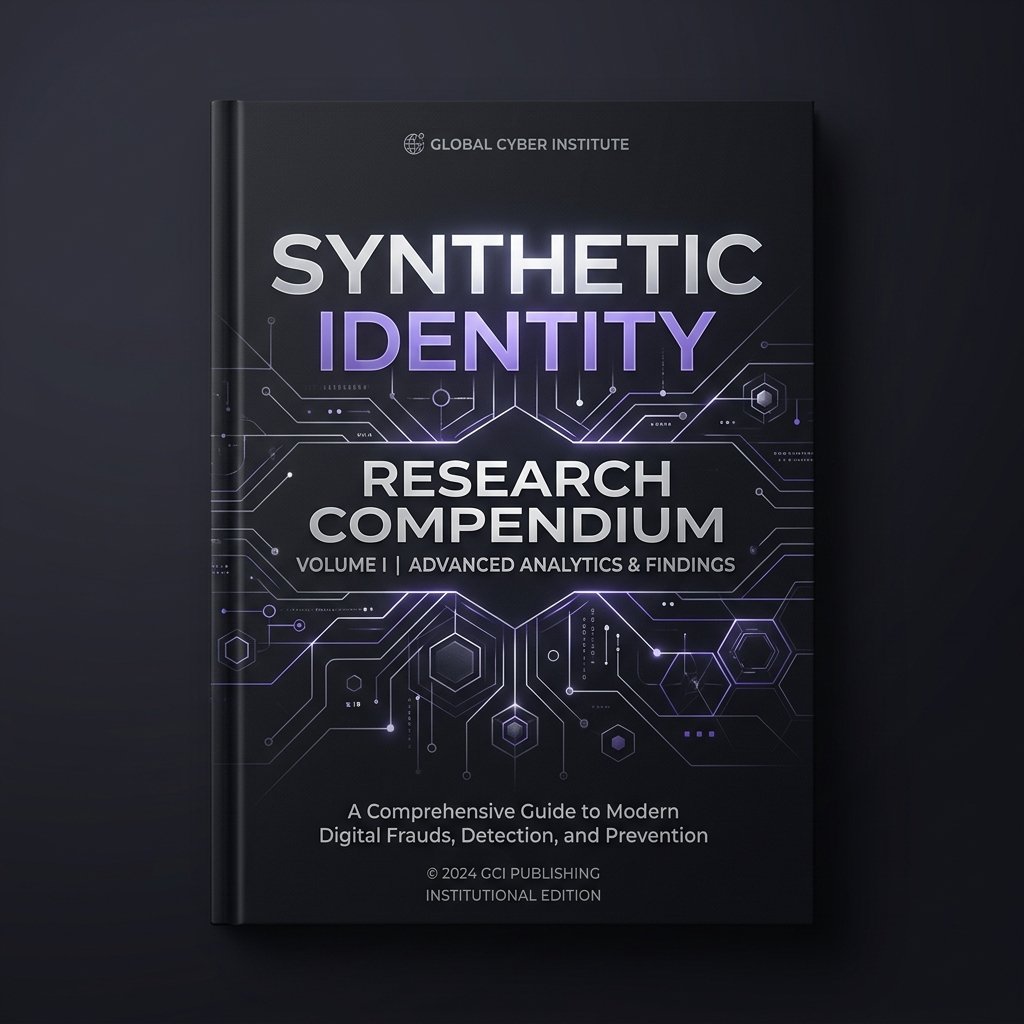
Synthetic Identity Research Compendium
Comprehensive PDF covering AI-generated identity frameworks, synthetic media taxonomy, detection methodology, and ethical governance — formatted for academic and institutional use.
- Empirical AI-Generated Data Analysis
- Comprehensive Detection Frameworks
- Ethical Governance Guidelines
- Academic Taxonomy & Citation Ready